MESH Robotic Buffering Systems
What Are Robotic Buffering Systems?
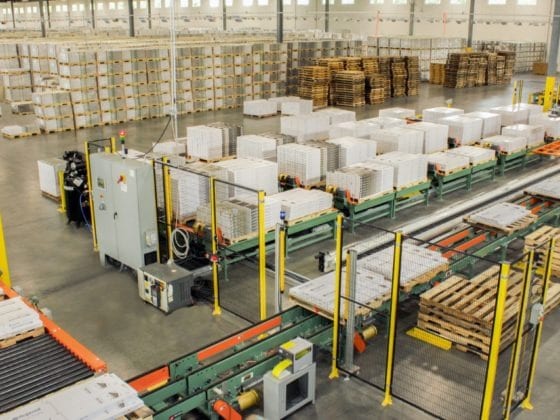
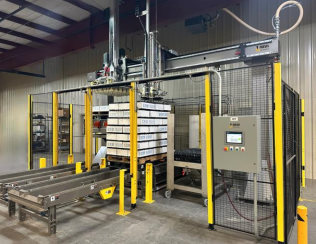
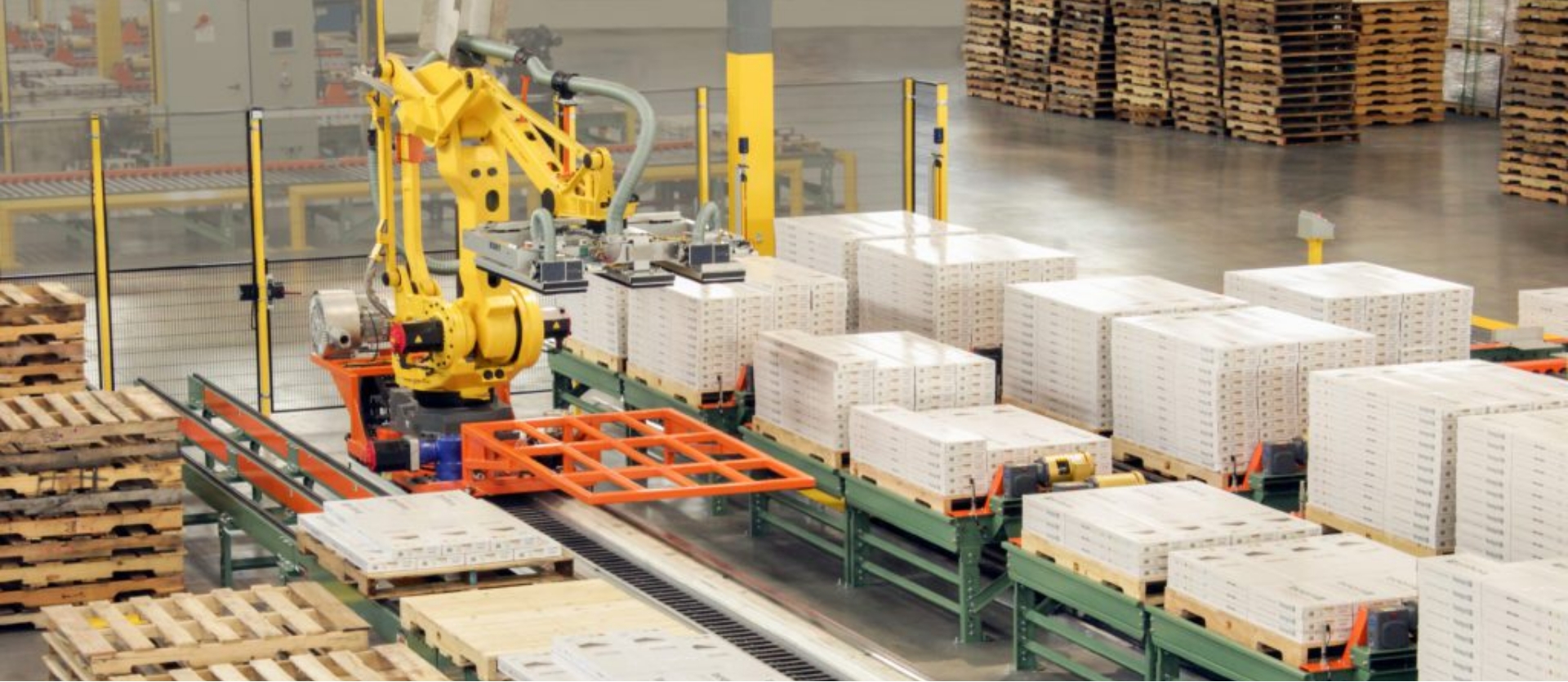
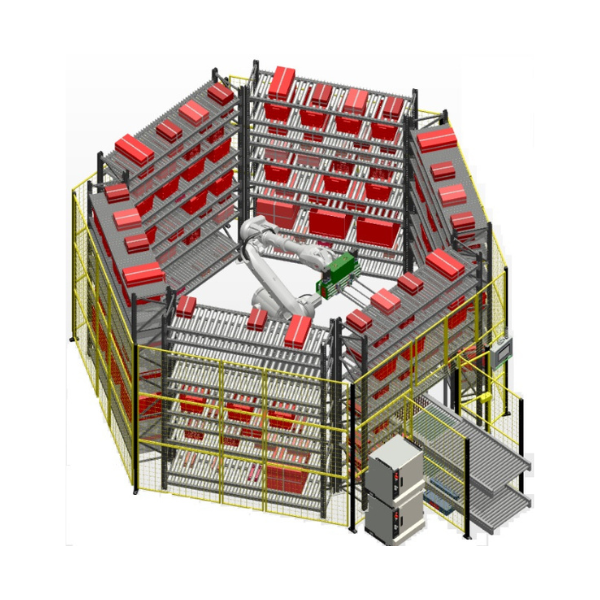
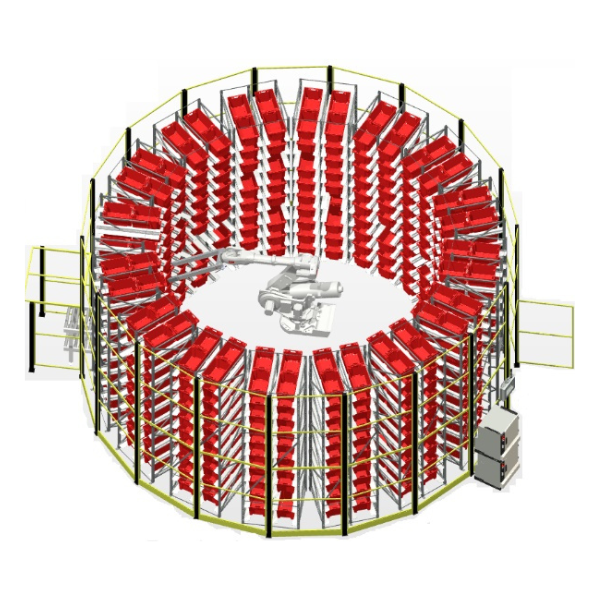
These setups are automated solutions that store inventory in a controlled environment and release it when downstream processes are ready. These systems combine high-density storage, robotic retrieval, and intelligent release logic to improve coordination across warehouse operations.
Unlike traditional storage systems, these dynamic setups are designed around flow control rather than just storage capacity.
Key capabilities include:
- Controlled inventory release based on system demand
- High-density storage that reduces floor space usage
- Reduced reliance on manual staging and overflow areas
- Improved coordination between picking, packing, and shipping
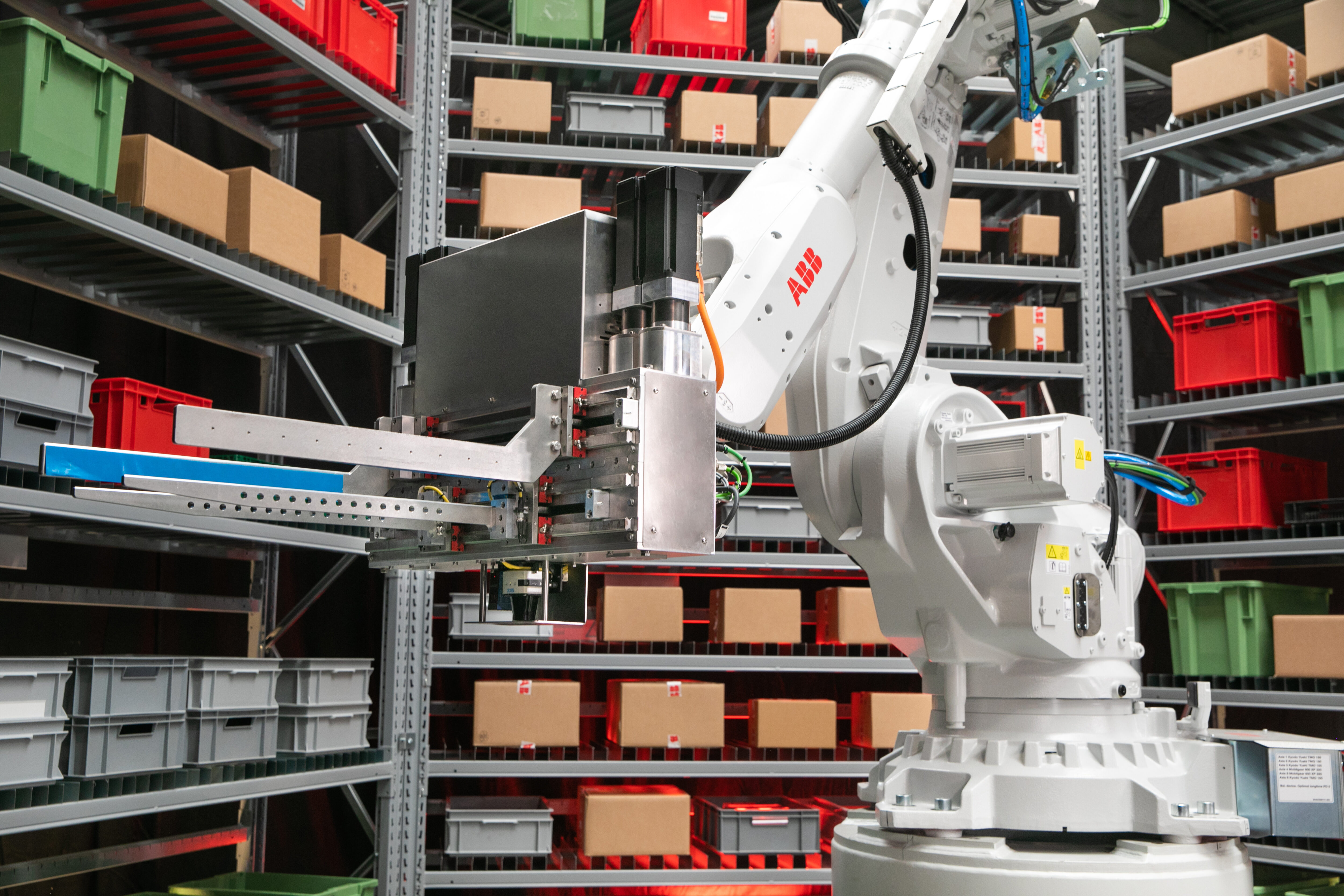
How Robotic Buffering Systems Work
An automated buffer holds inventory in a controlled environment until the next process is ready to receive it. The system determines when items should move, how long they should wait, and in what order they are released.
Typical system flow includes:
- Inventory is stored in a high-density automated system
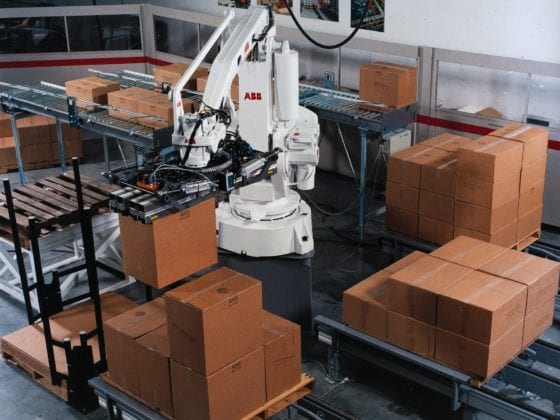
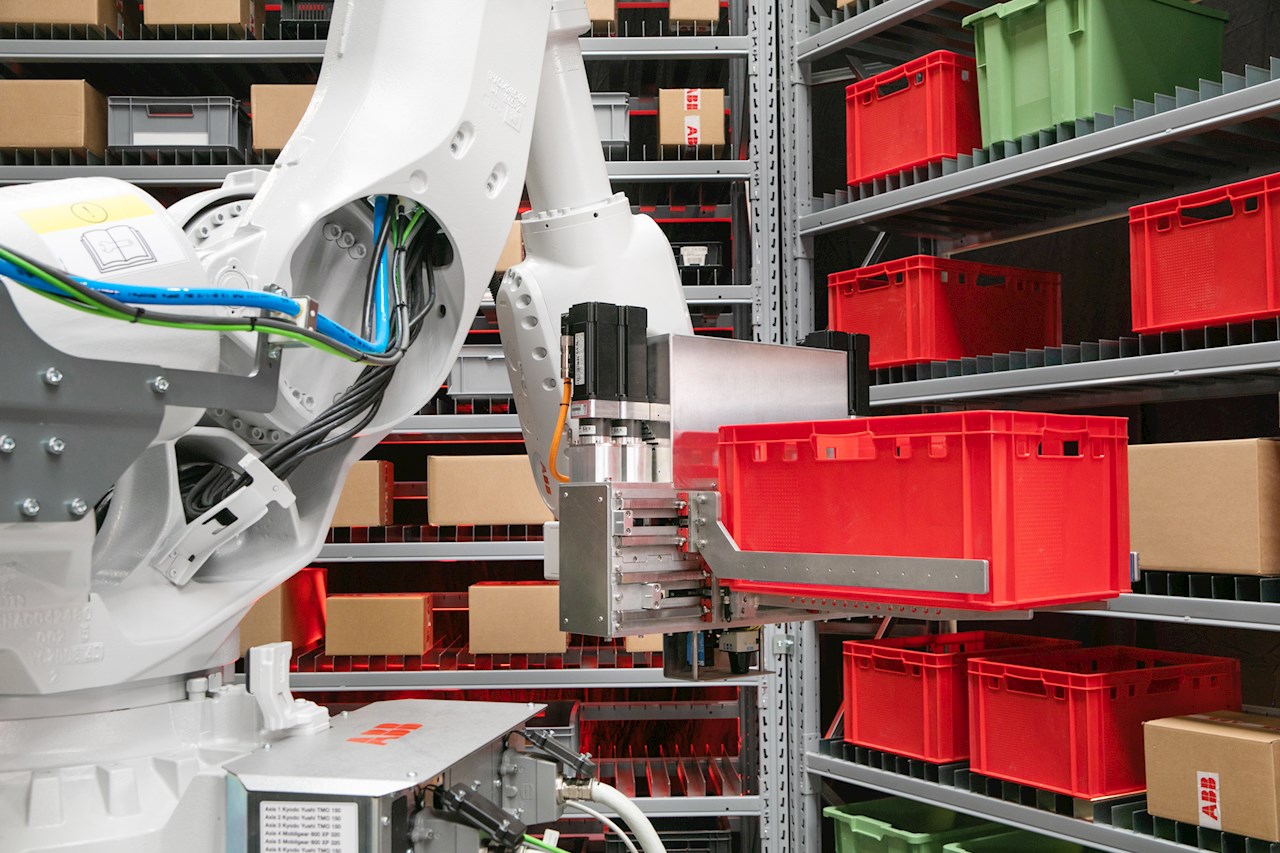
- Robotics retrieve required items or containers
- Inventory is held until downstream processes are ready
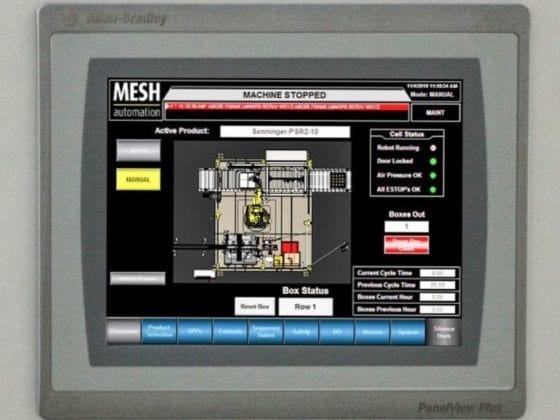
- Software determines release timing based on operational logic
Core components include:
- High-density storage to reduce staging footprint
- Robotic retrieval to minimize manual handling
- Intelligent release logic to improve sequencing and timing
- Integration with warehouse management and control systems
Robotic Buffering Systems vs Traditional Automation
Traditional automation systems such as conveyors and automated storage focus primarily on moving or storing inventory efficiently. These intelligent buffers focus on when and how inventory moves.
Key differences include:
- Conveyor systems move products in fixed sequences, while dynamic buffers control release timing
- Automated storage systems prioritize space efficiency, while these automated solutions prioritize flow and coordination
- Manual staging relies on labor, while the intelligent layer automates both storage and release decisions
This distinction makes robotic buffering systems especially valuable in complex or high-variability operations.
Where They Deliver the Most Value
Robotic buffering systems are most effective in operations where variability, volume, or sequencing requirements create friction between processes.
Common applications include:
- High-SKU distribution centers
- E-commerce fulfillment operations
- Manufacturing environments requiring consistent line feeding
- Facilities with limited floor space and increasing demand
In these environments, robotic buffering systems help:
- Reduce congestion between picking, packing, and shipping
- Improve consistency across workflows and shifts
- Support growth without proportional increases in labor
- Maintain cleaner, more organized warehouse environments
Is an Automated Buffer Right for Your Operation?
Not every warehouse requires one, but certain conditions indicate strong potential value:
- Frequent congestion between picking, packing, and shipping
- Heavy reliance on floor staging or temporary holding areas
- Orders requiring consolidation from multiple zones
- Inconsistent throughput caused by uneven process speeds
Robotic buffering systems act as a coordination layer that improves flow without requiring a complete redesign of the facility.
Talk to MESH About Robotic Buffering Systems
Every operation has unique constraints, including layout, SKU mix, throughput requirements, and existing systems. They should be designed around those factors. If you are evaluating warehouse automation solutions or looking to reduce bottlenecks, robotic buffering systems may be the missing layer between storage and fulfillment.
Automation is a serious operational decision, and for teams that have not done it before, the process can be hard to evaluate. We help cut through that complexity with practical guidance, from your initial planning through final implementation. Contact MESH Automation today to learn more.
Robotic Buffering Systems FAQ
How Is Robotic Buffering Different From Conveyor-Based Accumulation?
Conveyor accumulation stores products in sequence but has limited flexibility in release timing and order control. Robotic buffering systems use software-driven logic to store and release inventory dynamically, allowing precise sequencing based on operational needs.
Does Robotic Buffering Require Changes To An Existing Warehouse Layout?
Robotic buffering systems can typically be added as a modular layer between processes such as picking and packing, allowing improvements without a full redesign.
How Do Robotic Buffering Systems Impact Labor Requirements?
They reduce manual staging and coordination, allowing labor to shift toward higher-value tasks and reducing unnecessary handling.
What Role Does Software Play In Robotic Buffering Systems?
Software controls storage, timing, and release decisions, often integrating with warehouse management or control systems to respond to real-time conditions.
Can Robotic Buffering Systems Help During Peak Demand?
Yes, they absorb variability and allow upstream processes to continue operating even when downstream areas slow down.
What Types Of Products Work Best With Robotic Buffering Systems?
They are best suited for items handled in standardized containers such as totes, cartons, or trays.
How Do Robotic Buffering Systems Support Order Accuracy?
By controlling sequencing and reducing manual handling, they help ensure the correct items arrive at the right time for order completion.
Are Robotic Buffering Systems Only For Large Warehouses?
No, mid-sized operations can also benefit, especially when space is limited or workflows are becoming more complex.
What Happens If Part Of The System Goes Down?
The system can temporarily hold inventory, allowing other processes to continue operating and reducing disruption.
How Long Does Implementation Take?
Timelines vary based on complexity, but typically include design, integration, testing, and commissioning phases rather than simple installation.